
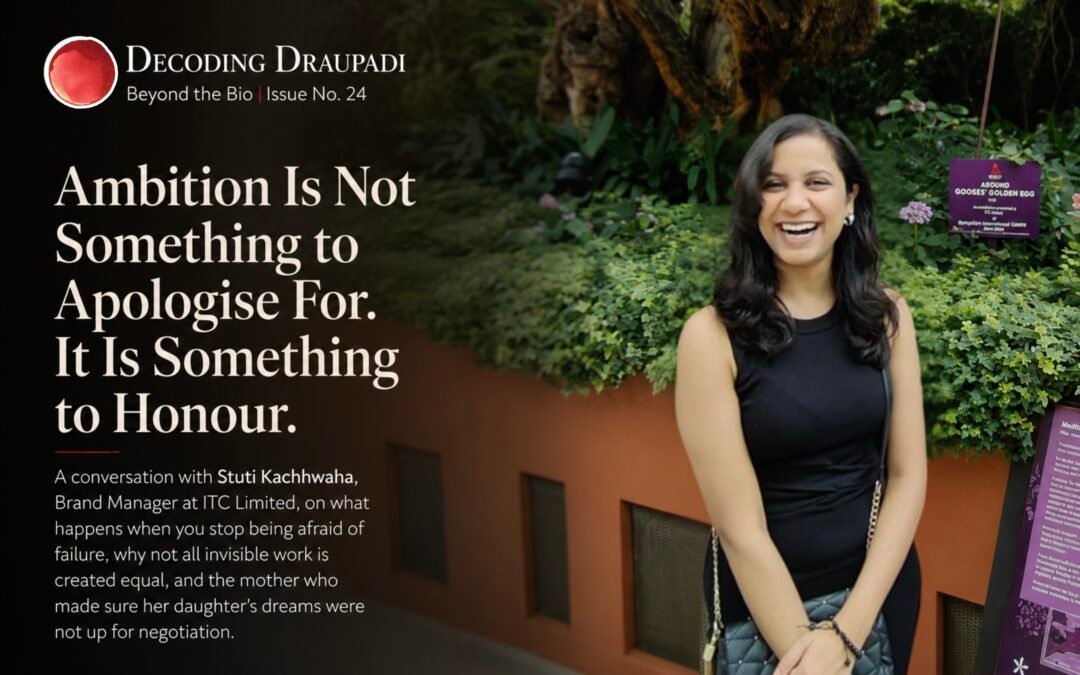
A conversation with Stuti Kachhwaha, Brand Manager at ITC Limited, on what happens when you stop being afraid of failure, why not all invisible work is created equal, and the mother who made sure her daughter’s dreams were not up for negotiation.
Stuti Kachhwaha keeps a ledger. Books read, quotes loved, places visited, things she wants to learn, hobbies she wants to try. It is her way of staying accountable to her own growth, and it says a lot about how she moves through the world: deliberately, curiously, and with one eye always on who she is becoming.
She went from engineering to sales to MICA to brand management at ITC. The through-line across all of it is the same question: what are people actually doing, and why? This conversation is about that. It is also about a mother who refused to let her daughter shrink.
A Ledger of Growth
Who is Stuti right now, across the different lives she is living?
To be honest, I’m still figuring that out, and I think that’s what makes this phase of my life so meaningful. Right now, across the different roles I play at work, at home, with friends, and in my own private thoughts, I see one common thread: curiosity.
I genuinely enjoy delving into things, even when they are outside my immediate field, because every new perspective teaches me something and changes me, even if only a little. In many ways, I keep a mental and sometimes literal ledger of my growth: books I’ve read, quotes I’ve loved, places I’ve been, things I want to learn, and hobbies I want to pursue. It’s my way of consciously staying open to learning and evolving.
So I don’t think there is just one fixed version of me. Different versions of me exist every day because I am constantly learning, evolving, and unlearning.
“Different versions of me exist every day because I am constantly learning, evolving, and unlearning.”
The ledger detail is the one that stayed with me. Most people talk about being curious as a personality trait. Stuti has made it a practice. She tracks it, tends to it, keeps herself accountable to it. That is a different thing entirely, and it shows up in everything she does after this.
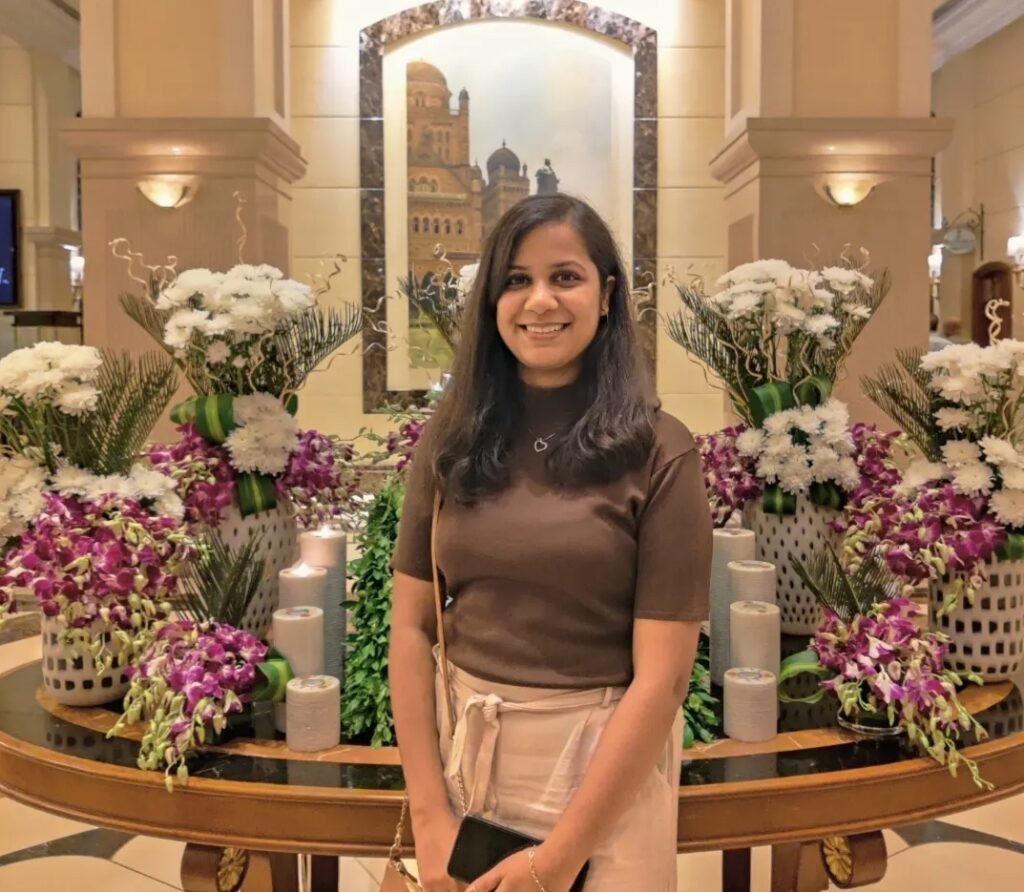
I Didn’t Just Want to Build Systems. I Wanted to Understand the Humans.
Was there a moment where you realised you were more interested in human behaviour than just solving technical problems?
That realisation happened during my very first job. I was in a backend role, solving operational and technical problems, and while I genuinely enjoyed that challenge, something shifted when I began working with the customer acquisition team.
For the first time, I wasn’t just solving a problem. I was actually trying to understand the people behind it: their needs, the nuances that influenced their choices, and why people behaved so differently even in similar situations.
That was my turning point. I realised I didn’t just want to build systems. I wanted to understand the humans interacting with them. That curiosity pushed me toward marketing, led me to pursue my MBA at MICA, and has stayed with me ever since.
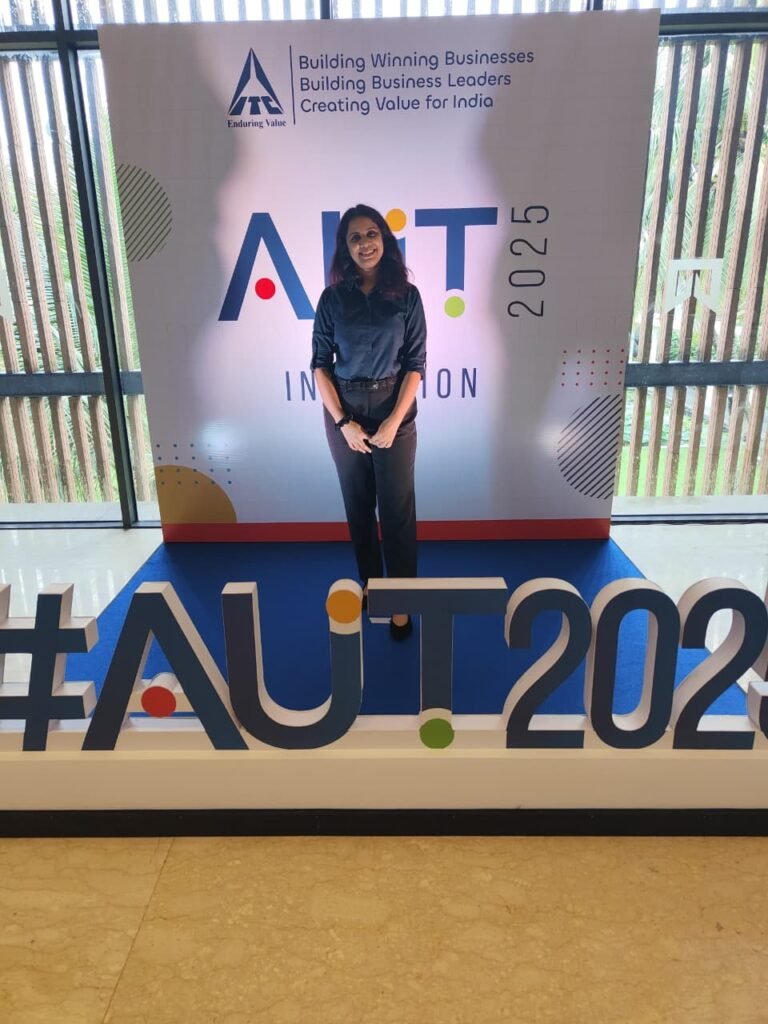
Whether it was learning from consumers in villages during my sales stint across Punjab and Haryana, or now working on brands like Paperkraft and Classmate at ITC Limited, that same thread of understanding human behaviour and decision-making is what continues to drive me.
“I didn’t just want to build systems. I wanted to understand the humans interacting with them.”
The Punjab and Haryana detail matters here. She did not go from engineering to an MBA to a comfortable brand desk. She went into the field first, into villages, learning how real consumers make decisions. That kind of grounding is hard to replicate, and you can hear it in how she thinks about people throughout this conversation.
Not All Invisible Work Is Created Equal
What is the most important thing you do at work that has no name in a job description and no metric attached to it?
A large part of my work involves coordinating across multiple teams, aligning them, and building timelines that keep complex projects moving smoothly. The real work lies in ensuring everyone is moving in the same direction and quietly removing friction before it slows the larger goal down.
Whether I’m writing a brief, noticing a small consumer insight others may have missed, or simply making sure everyone is on the same page, this work doesn’t usually show up in a job description. It may not have a clear metric, but it is often what quietly ensures that everything else succeeds.
I have also come to realise that not all invisible work is created equal. There is a difference between doing extra and doing what is truly valuable. It is important to choose to invest your energy in the kind of unseen efforts that don’t just fill time, but create a lasting impact on the work.
“Not all invisible work is created equal. There is a difference between doing extra and doing what is truly valuable.”
That last distinction is one I have been thinking about since I read this. Invisible work is easy to romanticise, like all unseen effort is noble by default. Stuti is making a sharper point: the value of invisible work is not in the fact that it goes unnoticed. It is in whether it actually moves something. That is a useful filter for how to spend yourself at work.

The Launch Phase
If you had to describe where you personally are in your own arc right now, what phase would you call it?
I’d definitely call this my launch phase. It is full of positive energy and a little bit of chaos that comes with new beginnings.
This past year has been a series of simultaneous transitions: travelling to new cities, immersing myself in a different culture, and pivoting from sales into brand management. Navigating the nuances of an entirely new role while balancing everything else hasn’t been easy, but then again, meaningful growth rarely is.
I am consciously trying to be a sponge, absorbing every bit of knowledge, perspective, and experience I can find. Professionally, I am learning to shift my way of thinking. Personally, I am building a life in a new place and in many ways rediscovering who I am in the process.
I know it might take time for all these pieces to fit together, but I trust the process. While it feels like a launch, it also feels like the start of a very necessary reinvention.
“While it feels like a launch, it also feels like the start of a very necessary reinvention.”
Launch and reinvention in the same breath. That combination is something I think a lot of people in their mid-twenties are living right now but do not have language for. Stuti names it clearly: she is not just starting something new, she is becoming someone new at the same time. Those two things do not always arrive together, and when they do, it is a lot to hold.
It Is Not Win or Lose Anymore. It Is Win or Learn.
What is the fear you have learned to perform confidence around?
If I’m being honest, my most persistent fear is the fear of failure. For a long time, that fear acted as a silent anchor. It made me hesitate and second-guess my own creative instincts, making me wonder if my ideas were truly worth the space they occupied.
When you invest a part of yourself into your work, failure feels deeply personal. It isn’t just about a project not working. It feels like a reflection of your own worth.
I don’t think that fear ever fully disappears, but I have learned to change my relationship with it. Not every idea needs to be a success to be meaningful. The attempts that don’t land exactly as planned are often the ones that teach me the most and help me evolve.
It is not a win or lose scenario anymore. It is either a win, or you learn.
“It is not win or lose anymore. It is win, or you learn.”
She is not pretending the fear is gone. She is describing a reframe that actually works: not that failure does not hurt, but that it is never without value. The distinction between failure feeling like a project falling short versus failure feeling like a reflection of your own worth is also worth naming. That second kind is the one that stops people cold. She has found a way to separate the two.
My Ambition Is an Extension of My Mother’s Courage
What is one thing you have had to actively undo about how ambitious women are supposed to behave?
Coming from a relatively orthodox background, one thing I have had to actively undo is the idea that women should quietly adjust, compromise their dreams, or let societal expectations define the boundaries of their ambition.
I was fortunate because my mother never allowed that belief to become my reality. She made sure my sister and I grew up believing that our dreams were not things to be negotiated away for society’s comfort. She taught us that ambition is not something to apologise for. It is something to honour.
Because of her, I’ve learned to consciously shut out voices, external or internal, that try to create doubt, distraction, or fear. I’ve learned to protect my ambition, not dilute it.
And perhaps the most important part of that journey is this: whatever negativity or limiting beliefs I face, I make a conscious effort not to carry them forward or pass them on to anyone else. My ambition today feels like an extension of my mother’s courage. That is something I am deeply proud of.
“Ambition is not something to apologise for. It is something to honour.”
The line about not passing limiting beliefs forward is the one I keep returning to. It is such a specific and generous form of self-awareness: not just deciding not to be limited, but deciding that the limits stop with you. She is thinking about who comes after her. That is a different kind of ambition entirely.
Be Curious, Not Judgmental
What would you want someone just beginning their journey to worry less about?
I would tell anyone just starting out to stop worrying so much about having a perfect map of their future. Life has a way of making sense eventually, even if it doesn’t feel that way in the moment. It is a process, and you have to trust it. Keep believing in yourself whether you’re the youngest person in the room or not. Don’t let self-doubt make you feel small.
There’s a quote from Ted Lasso that I carry with me: be curious, not judgmental. I think that mindset can take you a very long way, not just in your career, but in life.
“Be curious, not judgmental.”
She opened this conversation saying curiosity is the one thread running through every version of herself. She closes it with the same word. That is not a coincidence. It is a philosophy she has genuinely built her life around, and the Ted Lasso quote, far from being a throwaway, is exactly the kind of thing someone keeps close when they really mean it.

A Note From Decoding Draupadi
What stayed with us from this conversation is the mother. The one who grew up in an orthodox household and decided, quietly and firmly, that her daughters would not. Who taught them that their dreams were not up for negotiation. Who gave Stuti not just permission to be ambitious, but the language to honour it.
We talk a lot about the women who build things. We talk less about the women who build the women who build things. Stuti named her, and we think that matters.
If this felt like someone you know, share it with her. And maybe share it with her mother too.
— End of Interview —
Stuti Kachhwaha is Brand Manager at ITC Limited. This interview was conducted as part of the Decoding Draupadi Brand Manager Series.
This one is for the mothers who decided their daughters’ dreams were not up for negotiation. Share it with yours. More at @decodingdraupadi.